Medium & High Voltage Motors specifications and applications
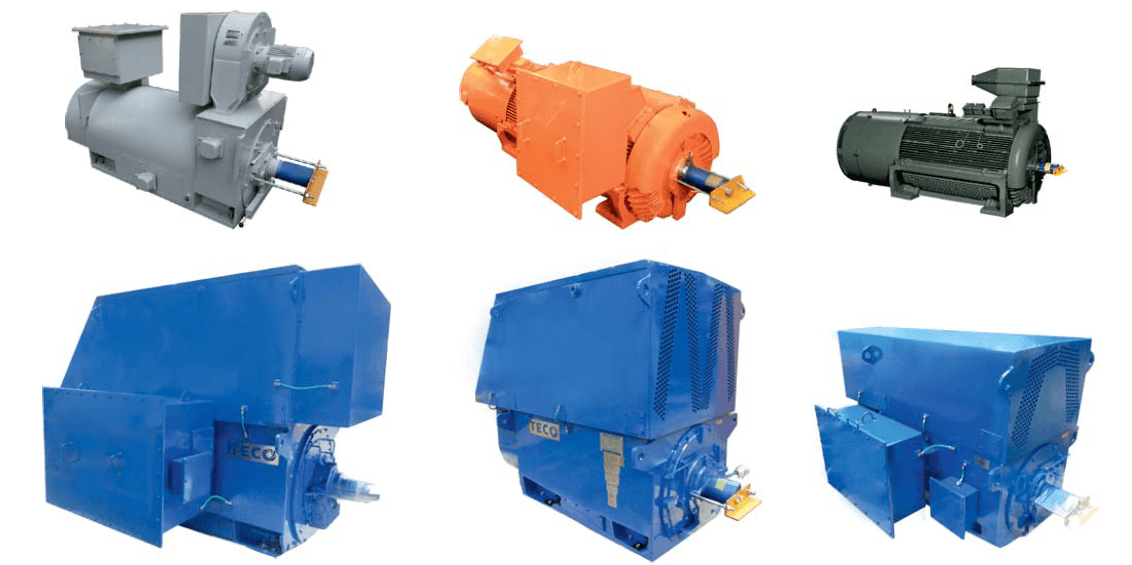
These motors are engineered for each application and can be supplied in IEC or NEMA specifications.
Rugged box-frame construction, advanced bearing systems, and heavy-duty rotors support dependable service in harsh plants.
- 75 to 30,000 HP
- Up to 13.8 kV
- 2 to 34 poles
- TEFC, TEAAC, TEWAC, ODP, WPI
Engineering considerations
Load-sharing replacement motors
When two motors drive one machine in parallel, replacing one motor requires tight matching of electrical and mechanical behavior so load sharing remains stable.
- Match torque curve, speed slip, efficiency, inertia, cooling, and starting behavior
- Preserve shaft height, shaft end, feet, terminal box, and coupling interface
- Relevant to HPGR, mills, pumps, fans, compressors, and other paired-drive systems
Cooling system enhancement
Aging motors often need improved cooling to handle hotter ambient conditions and longer duty cycles while preserving the existing mounting envelope.
- Review cooling path, airflow, heat exchanger selection, and cooling class
- Improve thermal margin without changing the foundation, coupling, or terminal arrangement
- Recovered example: 4,600 kW motor cooling upgraded from IC511 to IC516 while frame size reduced from 1250 mm to 900 mm
Identical terminal-box replacement
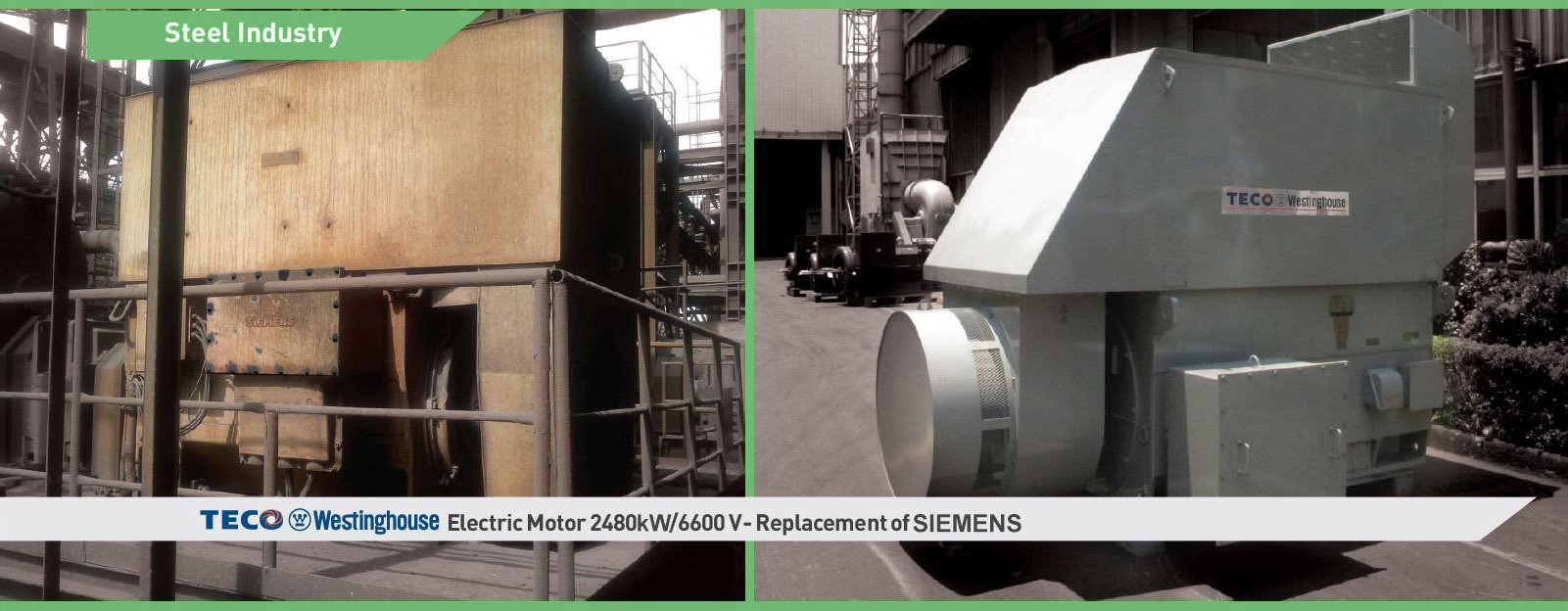
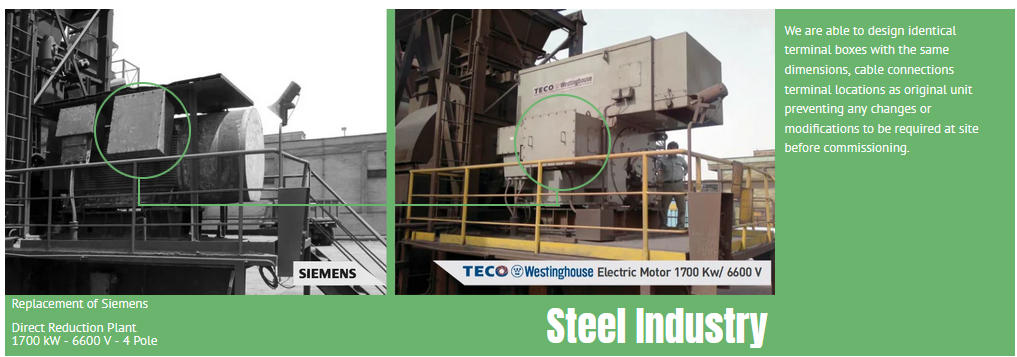
Replacement motors can be designed with identical main and auxiliary terminal boxes to avoid site cable, terminal, and commissioning changes.
- Match dimensions, cable connections, and terminal locations
- Reduce shutdown risk during commissioning
- Especially useful in brownfield replacements where cable routing is fixed
Torque and speed-curve matching
Replacement designs must consider existing load curves, starting current, and speed-torque behavior so the new motor remains compatible with the driven machine.
- Match original speed-torque curve and starting behavior
- Reduce inrush current where possible
- Keep adequate torque safety factor during network voltage drop and soft-start operation
VFD-compatible motor replacement
VFD-compatible motors require review of the original drive design, harmonic effects, insulation stress, and the ability to operate without changing existing drive settings.
- Account for THD and high-voltage spike insulation stress
- Use motor and VFD design data during replacement engineering
- Witness testing can simulate real operating conditions and load
Related case studies

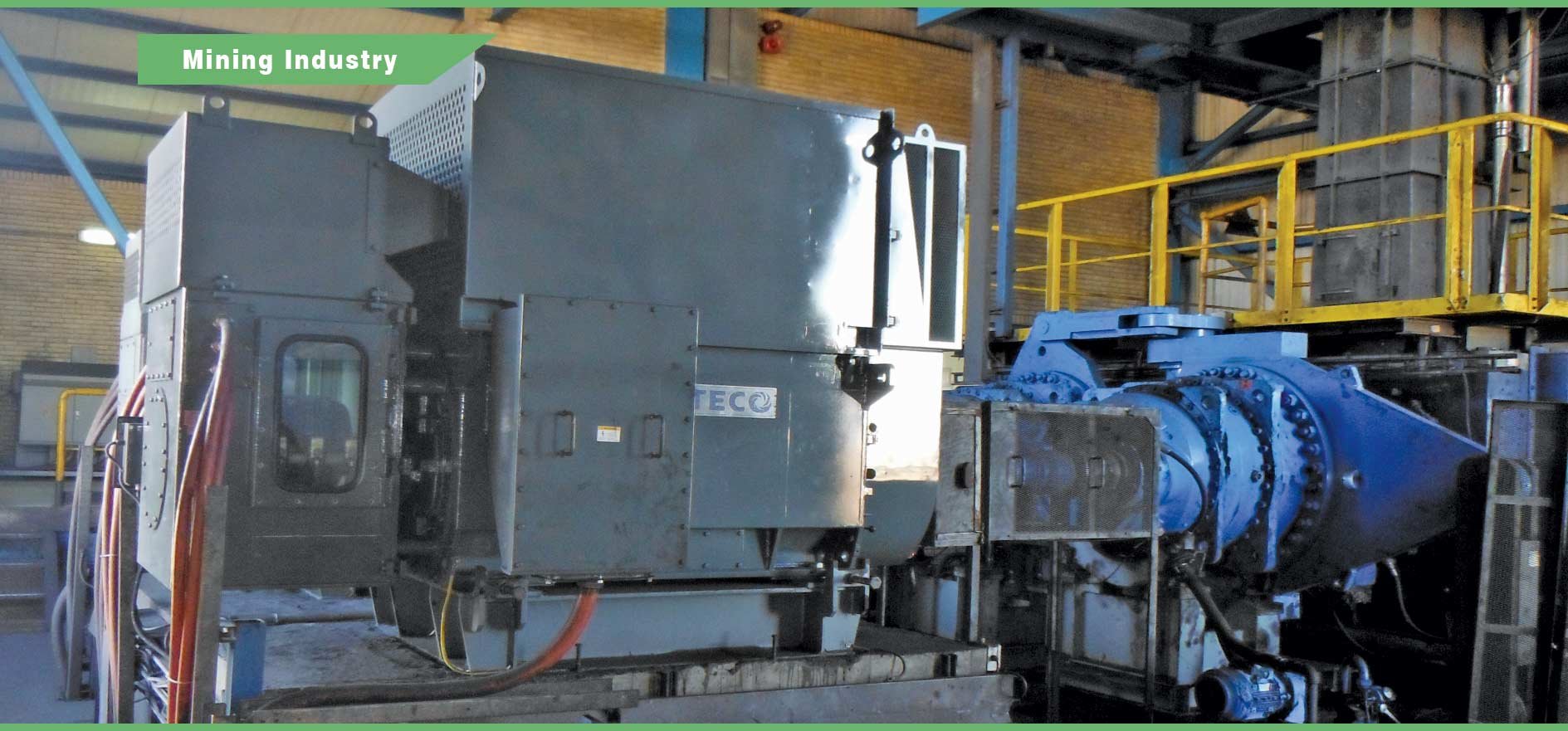
HPGR load-sharing motor replacement
A high-pressure grinding roll application required one motor to be replaced while the remaining parallel motor stayed in service.

Cooling upgrade for 4,600 kW replacement motor
An ELIN motor replacement was redesigned with an upgraded cooling system while preserving the installation envelope.

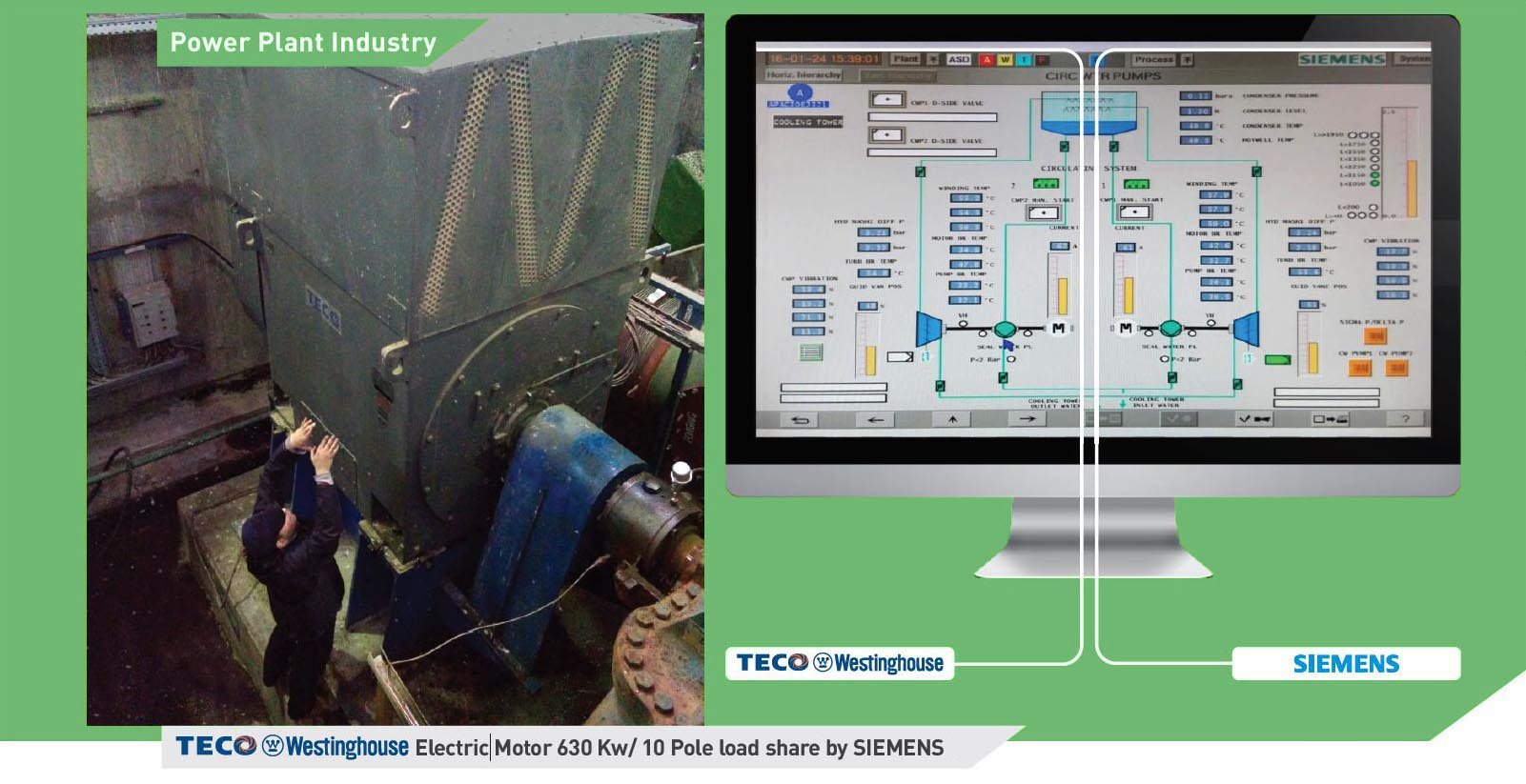
Twin boiler feed pump replacement
One of two Siemens 630 kW, 6 kV, 10-pole boiler feed pump motors was replaced without site modifications.

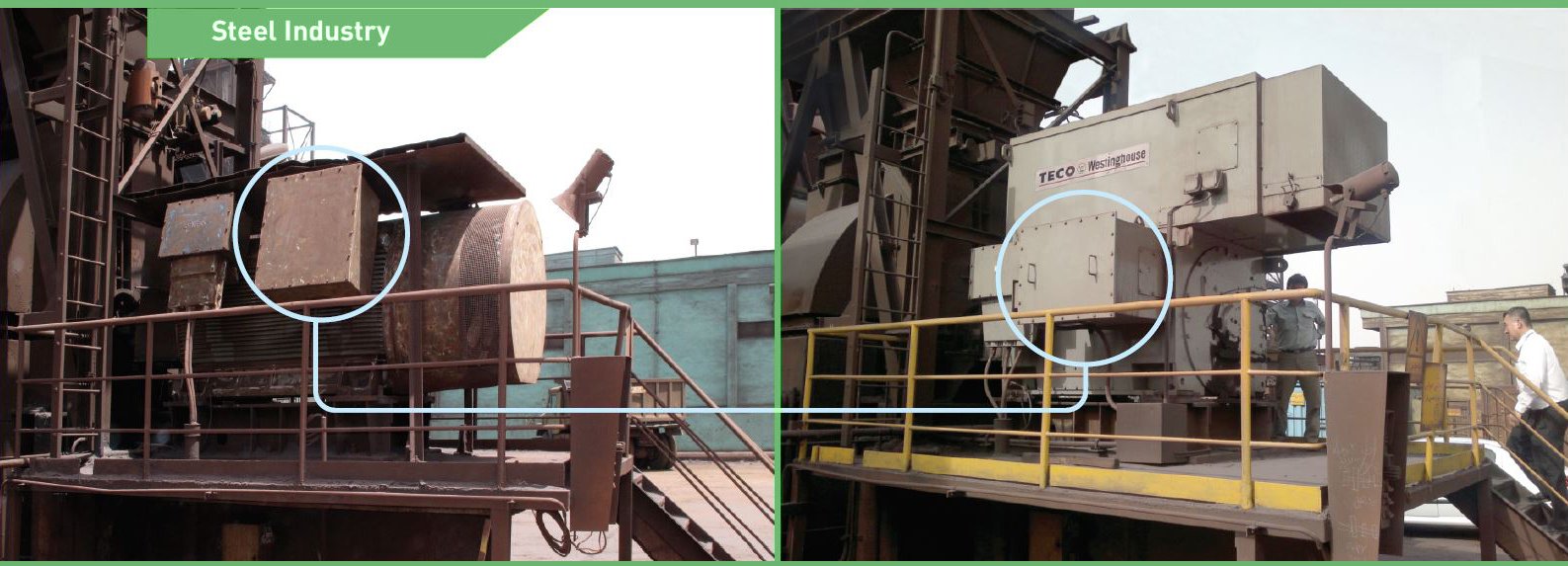
Identical terminal-box brownfield replacement
A brownfield replacement motor was engineered with main and auxiliary terminal boxes matching the original motor layout.

Torque and speed-curve matched replacement
A replacement motor design was matched against the original speed-torque behavior and driven-machine load curve.

Obsolete motor drop-in replacement without site changes
An old and obsolete motor was replaced with an upgraded modern design while keeping the installation footprint stable.

Sea-water pump synchronous motor replacement
A 60-year-old Westinghouse synchronous motor for a sea-water pump was replaced even though no site drawings remained available.

VFD-compatible slurry pump replacement
A copper mine slurry pump motor was replaced with a VFD-compatible design and improved electrical performance.

Hazardous gas compressor motor package
A gas transmission compressor application used an 8,400 kW, 11 kV, 4-pole motor package with hazardous-area requirements.

District cooling chiller motor references
Project references show extensive medium-voltage motor use in GCC district cooling plants.